


The Hidden Cost of Dirty Oil
Every gallon of contaminated oil is costing you money:
- Water destroys lubrication
- Sludge clogs systems
- Particles accelerate wear
- Disposal fees keep rising
You’re paying twice — once to buy it, and again to get rid of it.
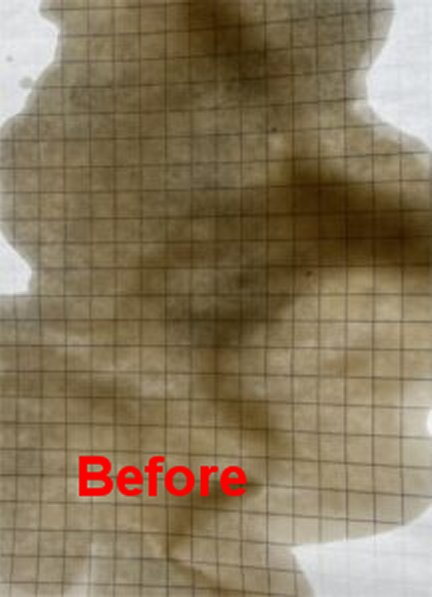
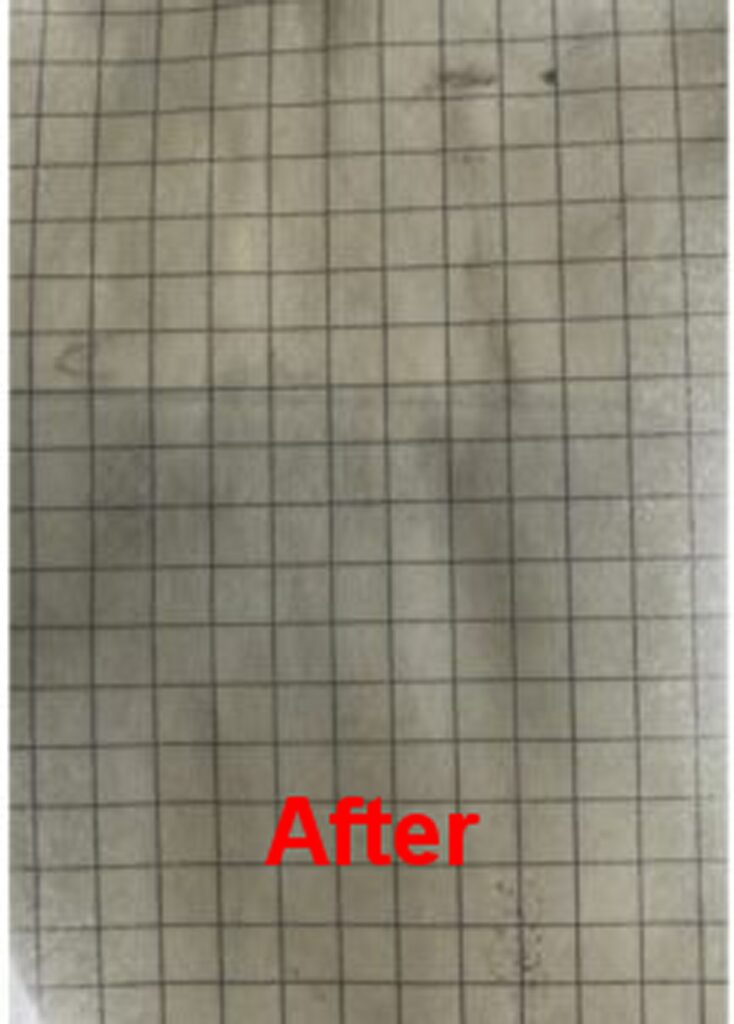
The Solution: Dieselcraft Model 60
High-Speed Centrifugal Oil Cleaning — No Filters. No Waste.
The Dieselcraft Model 60 Oil Centrifuge removes contaminants that filters simply cannot—restoring oil to a clean, reusable condition.
What You Get
✔ Removes water (up to 99.7%)
✔ Eliminates sludge, carbon, and metal particles
✔ Cleans down to below 2 microns
✔ Processes up to 60 gallons per hour
✔ No disposable filters = lower operating cost
How It Works
- Oil enters the centrifuge
- High G-force separates contaminants
- Clean oil exits continuously
- Waste sludge collects for easy removal
Real Results
- Extend oil life dramatically
- Reduce equipment failures
- Cut oil purchases and disposal costs
- Improve system reliability
Perfect For
- Fleet maintenance shops
- Diesel service companies
- Industrial operations
- Generator maintenance
- Waste oil recycling programs
ROI That Speaks for Itself
Most customers recover their investment through:
- Reduced oil replacement
- Lower disposal costs
- Fewer breakdowns
- Less maintenance labor
Simple Operation
- Connect system to your oil source
- Run for 2–3 hours
- Remove collected sludge
- Reuse or blend cleaned oil
Why Dieselcraft?
- Proven centrifugal technology
- Built for heavy-duty use
- Trusted by professionals
- Low maintenance, long lifespan
🔥 Limited Time: Get Your System Sized Today
Don’t guess—get the right system for your operation.
Waste Oil Cleaning – Frequently Asked Questions
A centrifugal oil cleaning system spins oil at extremely high speeds, creating forces thousands of times greater than gravity. This force separates contaminants from the oil—pushing solids, sludge, and water to the outer wall where they are collected and removed.
A centrifuge removes:
Sludge and carbon
Metal wear particles
Dirt and debris
Free and emulsified water
Unlike filters, contaminants are physically separated, not trapped.
Dieselcraft centrifuges can remove particles down to 1–2 microns or smaller, far beyond traditional filters that typically stop around 25 microns.
Filters: Trap contaminants and eventually clog, reducing flow
Centrifuge: Continuously separates contaminants without clogging
Yes, in ALL cases.
Heating oil (typically 150–180°F) helps:
Break the bond between oil and contaminants
Improve separation efficiency
Remove water more effectively
Waste motor oil (WMO)
Hydraulic oil
Transmission fluid
Diesel fuel
Biodiesel and vegetable oil
Every operation is different—but most users recover their investment quickly through:
Oil reuse
Reduced downtime
Lower maintenance costs
Recent Comments