


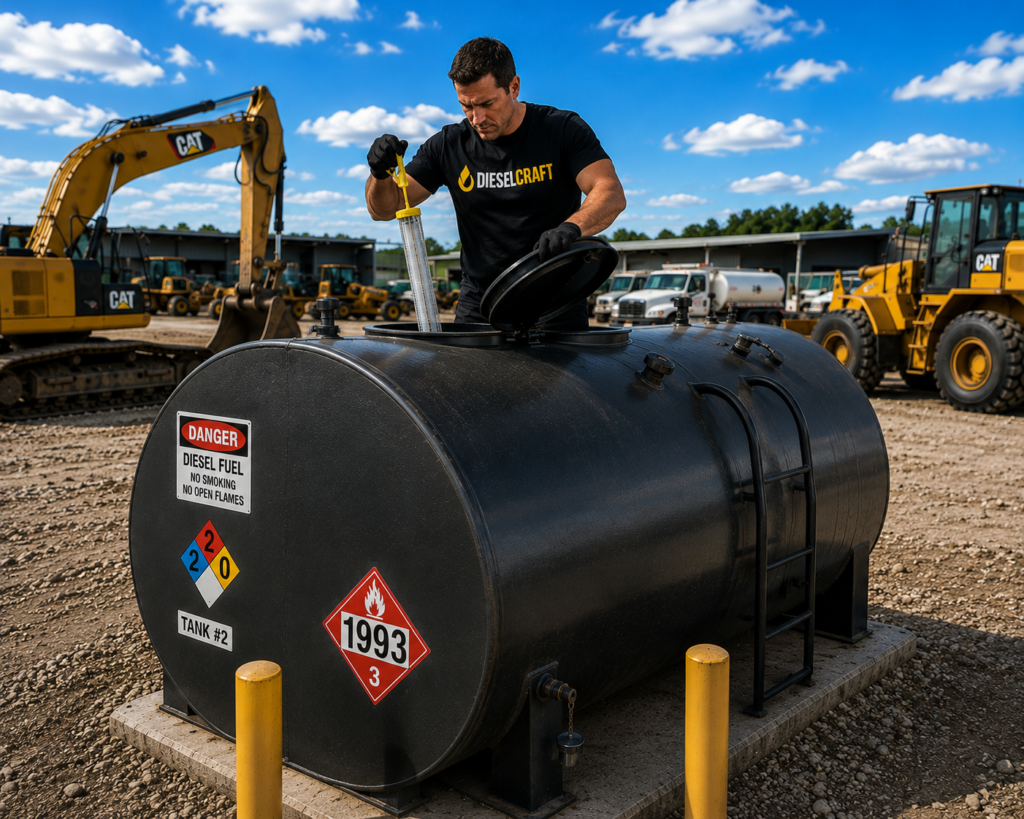
- Simple and easy to use
- Absorbs up to 350 ml of water
- Full instructions included
- Fits into most 2 inch fill points in both steel and plastic tanks
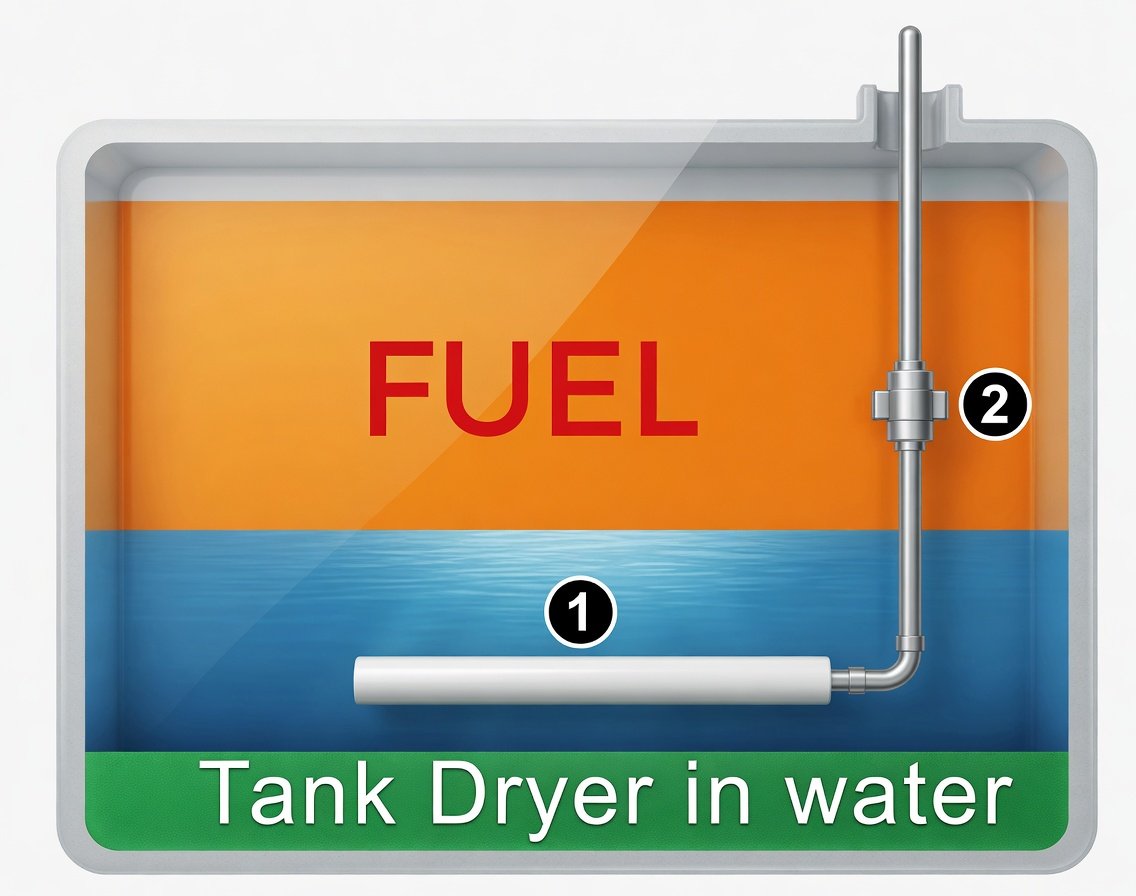
Add this to mop water up! The Tank Dryer is a fuel tank water absorber, which has been developed in response to the increasing concerns regarding water contamination of fuel.
Frequently Asked Questions About Fuel Tank Water Removal
Why is water in a diesel fuel tank a problem?
Water is one of the most damaging contaminants found in diesel fuel systems. Water promotes microbial growth, causes corrosion, plugs filters, damages injectors, and can lead to costly engine failures.
How does water get into a fuel tank?
Water commonly enters fuel tanks through:
- Condensation caused by temperature changes
- Faulty tank vents or seals
- Rainwater intrusion
- Contaminated fuel deliveries
- Long-term fuel storage
Even sealed tanks can accumulate moisture over time.
What is a Tank Dryer?
The Tank Dryer is a fuel tank water absorber designed to physically remove water from diesel and gasoline tanks. It absorbs up to 350 ml of water and can be inserted through most 2-inch tank openings.
How much water can the Tank Dryer absorb?
The Tank Dryer can absorb up to 350 ml (approximately 12 ounces) of water before replacement is required.
Does the Tank Dryer work in diesel fuel?
Yes. The Tank Dryer was specifically developed for fuel tanks containing diesel fuel and can also be used in gasoline storage tanks.
Will a Tank Dryer remove microbial contamination?
A Tank Dryer removes water, which is required for microbial growth to survive. Removing water helps reduce the conditions that allow bacteria and fungi to multiply inside diesel tanks. However, existing contamination may require filtration or fuel polishing.
Can I use a Tank Dryer in a standby generator tank?
Yes. Tank Dryers are commonly used in:
- Emergency generators
- Hospital generator tanks
- Data center fuel systems
- Utility backup power systems
- Municipal fuel tanks
These applications often experience condensation-related water contamination.
Can I leave the Tank Dryer in the tank?
Yes. The Tank Dryer is intended to remain inside the tank while it absorbs water contamination. Inspect and replace according to the supplied instructions.
Is a Tank Dryer better than fuel additives?
Fuel additives do not physically remove water from a tank. Water absorbers physically capture and remove water contamination from the fuel system. Many operators prefer physical water removal over attempting to emulsify water into the fuel.
What are the signs of water contamination in diesel fuel?
Common warning signs include:
- Cloudy fuel
- Sludge formation
- Frequent filter plugging
- Corrosion inside tanks
- Microbial growth (“diesel bug”)
- Hard starting engines
- Reduced fuel system reliability
Water should be removed before these problems become severe.
What tanks can use a Tank Dryer?
Tank Dryer is suitable for:
- Bulk fuel storage tanks
- Farm tanks
- Construction equipment
- Marine fuel tanks
- Generator belly tanks
- Fleet fueling systems
- Seasonal equipment storage
What if I have more than a small amount of water?
If significant water accumulation exists at the bottom of the tank, fuel polishing or direct water removal may be required before installing a Tank Dryer. Tank Dryers work best as a preventative and maintenance solution for ongoing moisture control.
How often should I check my fuel tank for water?
For standby generators and long-term storage tanks, annual testing is recommended. High-humidity environments, marine applications, and partially filled tanks should be checked more frequently.
Does the Tank Dryer fit through a standard fuel fill opening?
Yes. The Tank Dryer is designed to fit through most standard 2-inch fuel fill ports found on steel and plastic tanks.
What is the easiest way to prevent water contamination?
The most effective approach is:
- Regular fuel testing
- Remove free water immediately
- Use a Tank Dryer to control condensation
- Keep tanks maintained
- Perform fuel polishing when contamination is detected
These steps significantly reduce the risk of injector damage, corrosion, and microbial growth.
Recent Comments