



Not sure about year old or even new fuel?
Your fuel problems could be coming from the fuel supplier…..check the fuel before you buy it.
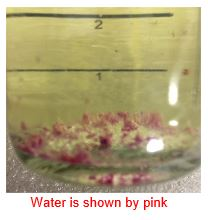
Quick, no‑nonsense field test. Works in all diesel fuels.
Test is designed as a field PASS or FAIL.
- Test detects water and suspended solid contaminants in diesel fuels.
- Very simple and immediate
- If all 5 indicator marks are visible the test PASSES but if the indicator lines disappear then the fuel FAILS.
- Failed tests require Fuel Polishing/Maintenance.
- Bacteria test takes 24 to 48 hours to react. Any reaction is bad news
Deluxe package $44.95 for one each Fuel Clarity and Bacteria/Algae Test
1 unit — $44.95: Standard price
2 units — $84.95: Save $4.95
|5 units — $224.75: Save $24.80 — Best Value
Fast Free Shipping
Frequently Asked Questions About Testing Old Diesel Fuel
How do I know if my diesel fuel has gone bad?
Old diesel fuel often becomes darker, cloudy, develops sediment, or contains water contamination. If your equipment is experiencing hard starting, excessive smoke, plugged fuel filters, injector problems, or loss of power, fuel degradation may be the cause.
How long can diesel fuel be stored before it becomes a problem?
Under ideal conditions diesel fuel may remain usable for 6 to 12 months. However, fuel stored in tanks exposed to temperature changes, moisture, or partial fill levels can begin deteriorating sooner. Water contamination and microbial growth are the most common causes of fuel failure.
What does the Dieselcraft Fuel Clarity Test detect?
The Dieselcraft FCT-100 Fuel Clarity Test detects:
- Water contamination
- Suspended solids
- Sludge
- Fuel instability
- Fuel degradation
The test is designed as a simple PASS or FAIL field test that can be performed in minutes.
Can the test be used with red dyed diesel fuel?
Yes. The Dieselcraft Fuel Clarity Test works with both clear diesel fuel and red dyed diesel fuel.
What causes diesel fuel to become cloudy?
Cloudy diesel fuel is typically caused by:
- Water contamination
- Microbial growth
- Wax precipitation
- Oxidation
- Suspended contaminants
Any cloudy appearance should be investigated before the fuel is used.
What happens if my fuel fails the test?
A failed test indicates contamination is present. The recommended solution is fuel polishing or fuel maintenance to remove water, sludge, microbial contamination, and suspended solids before the fuel is used.
Does cloudy fuel always mean water is present?
Not always. Cloudiness can be caused by water, microbial contamination, fuel oxidation, or suspended solids. Testing is the fastest way to determine whether corrective action is required.
Can microbial growth damage diesel engines?
Yes. Bacteria and fungi can form sludge that plugs filters, fouls injectors, corrodes tanks, and causes engine reliability problems. Microbial growth requires water to survive, making water contamination the primary cause of diesel bug problems.
What is included in the Deluxe Diesel Fuel Test Package?
The Deluxe Package includes:
- One Fuel Clarity Test
- One Bacteria/Algae Test
This combination helps identify both physical contamination and microbial contamination in stored diesel fuel.
Should I test fuel before buying it?
Yes. Fuel quality can vary between suppliers and storage facilities. Testing fuel before purchase can help prevent introducing contaminated fuel into your equipment or storage tanks.
Can I test fuel directly from a generator tank?
Yes. Generator belly tanks, day tanks, bulk storage tanks, marine fuel tanks, construction equipment, and fleet storage tanks can all be tested. For best results, obtain samples from the bottom and middle of the tank.
What industries use diesel fuel testing?
Diesel fuel testing is commonly used by:
- Hospitals
- Data centers
- Construction companies
- Mining operations
- Municipalities
- Utility companies
- Marine operators
- Trucking fleets
- Emergency generator owners
Is fuel testing less expensive than replacing filters or injectors?
Absolutely. A simple fuel test can identify contamination before it causes expensive injector repairs, filter replacements, downtime, or generator failures.
How often should stored diesel fuel be tested?
For standby generators and long-term fuel storage, annual testing is recommended. Tanks exposed to high humidity, frequent temperature swings, or known water intrusion may require more frequent testing.
What is the first sign of diesel fuel contamination?
The most common early warning signs include:
- Cloudy fuel
- Water in separators
- Frequent filter plugging
- Dark fuel color
- Sludge in samples
- Engine performance issues
Testing the fuel immediately can help identify the cause before equipment damage occurs.
Need Help Interpreting Your Results?
Call Dieselcraft and speak with a fuel contamination specialist. We can help determine whether your fuel requires testing, polishing, filtration, water removal, or microbial treatment.
Recent Comments