



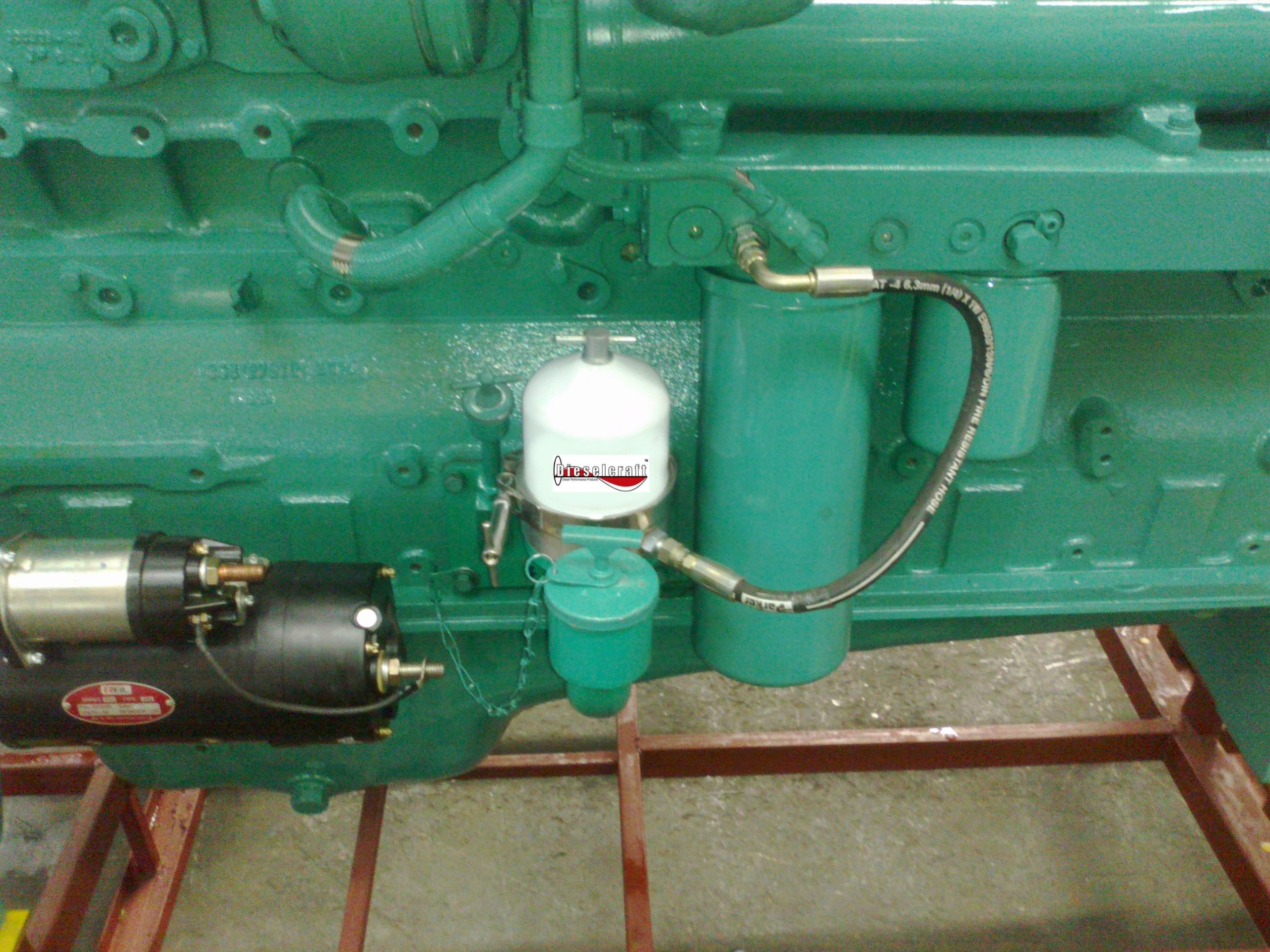
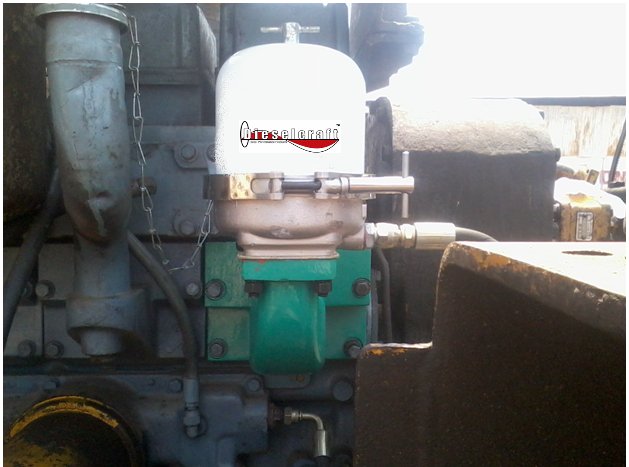
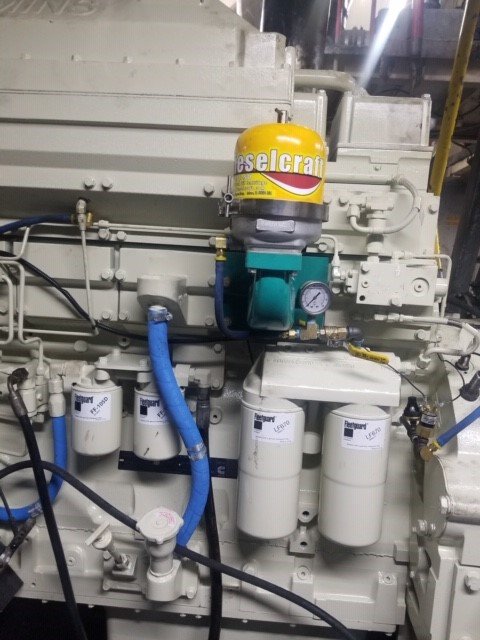
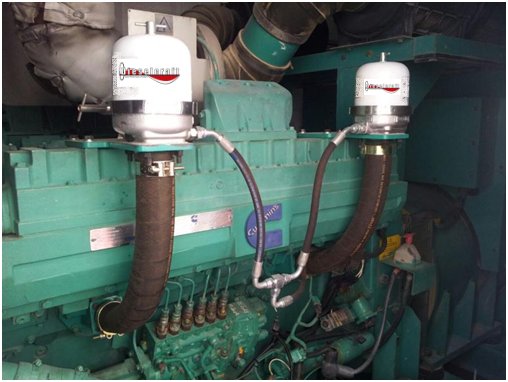
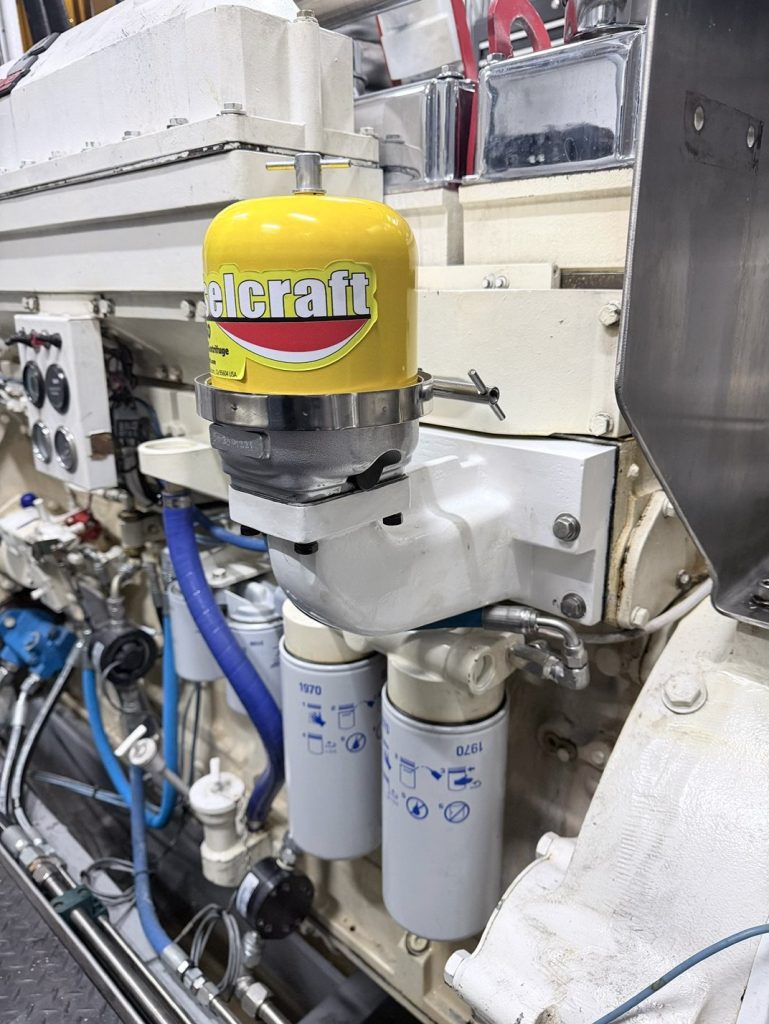
KTA 19
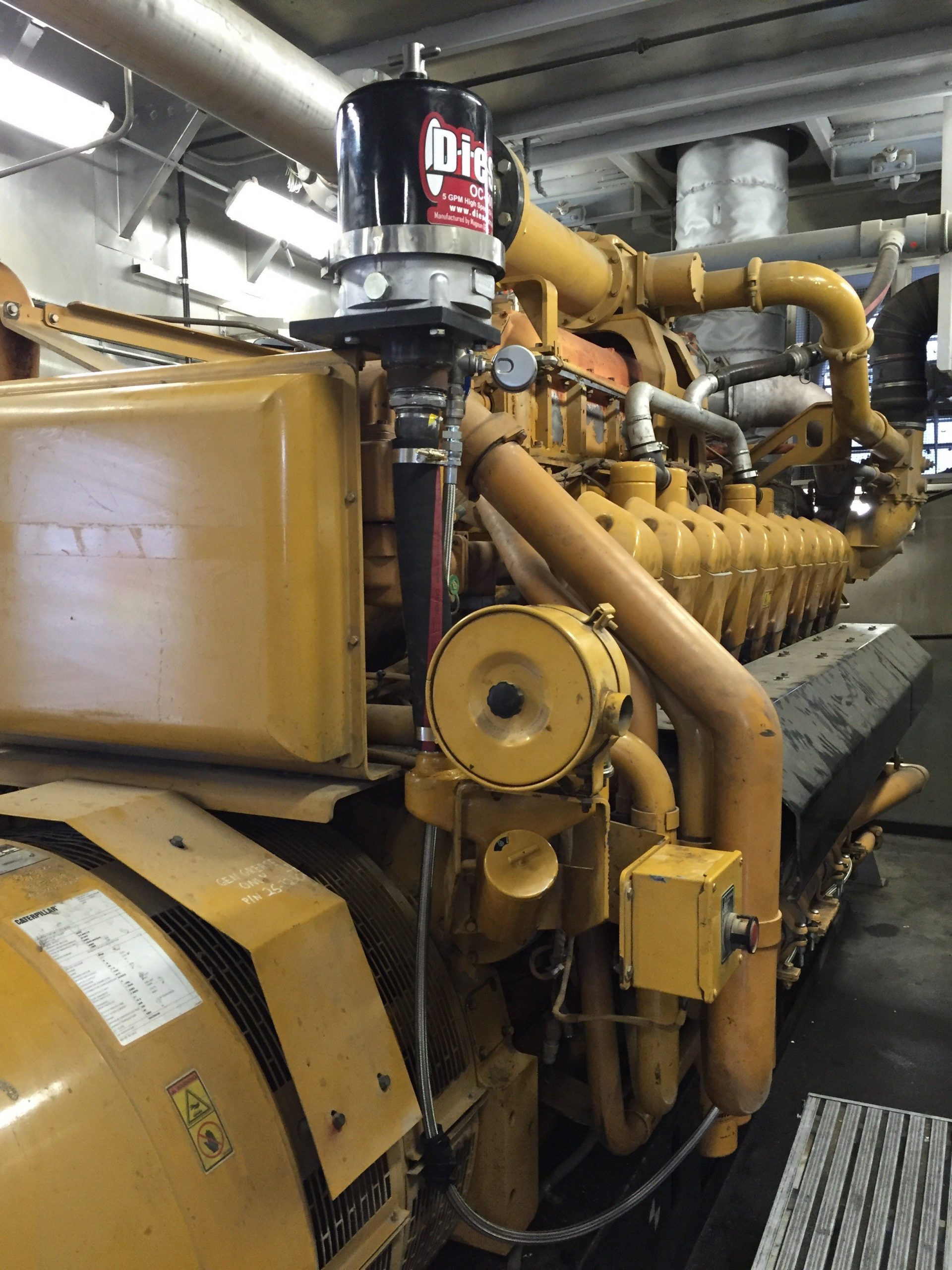
CAT 3500’S


Here’s a cleaner, more professional, and easier-to-read version for your webpage:
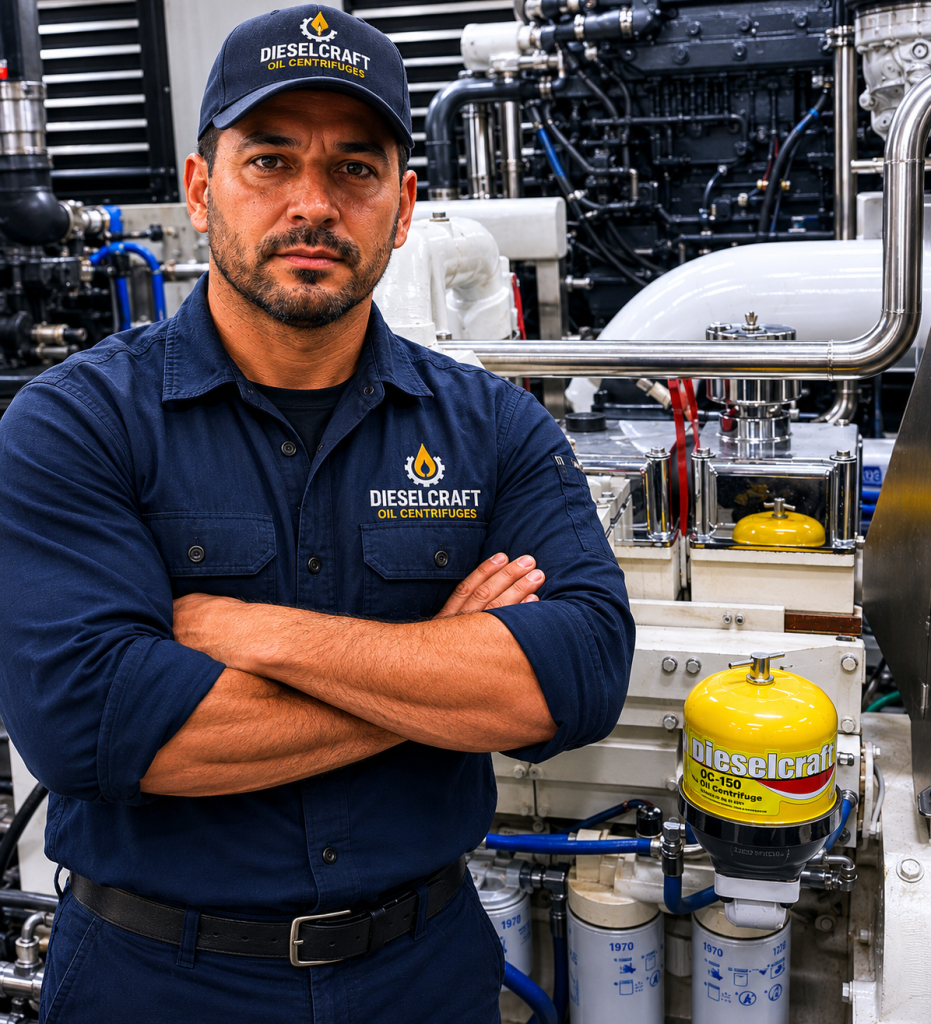
Protect Your Engine with Dieselcraft Oil Centrifuge Technology
Over 50 Years of Proven Centrifuge Experience
Dieselcraft is a recognized leader in the design and manufacture of industrial centrifuges, with more than 50 years of experience serving the industrial, commercial, agricultural, marine, power generation, and transportation industries.
Our oil centrifuge technology provides superior engine protection at a fraction of the cost of competing filtration systems.
One Dieselcraft customer began installing centrifuges in 2017. Since then, they have used over 19,000 fewer gallons of engine oil, significantly reducing maintenance costs while extending equipment life.
See the Difference
Engine oil samples taken before and after a Dieselcraft centrifuge installation clearly show the reduction in soot and contamination.

After
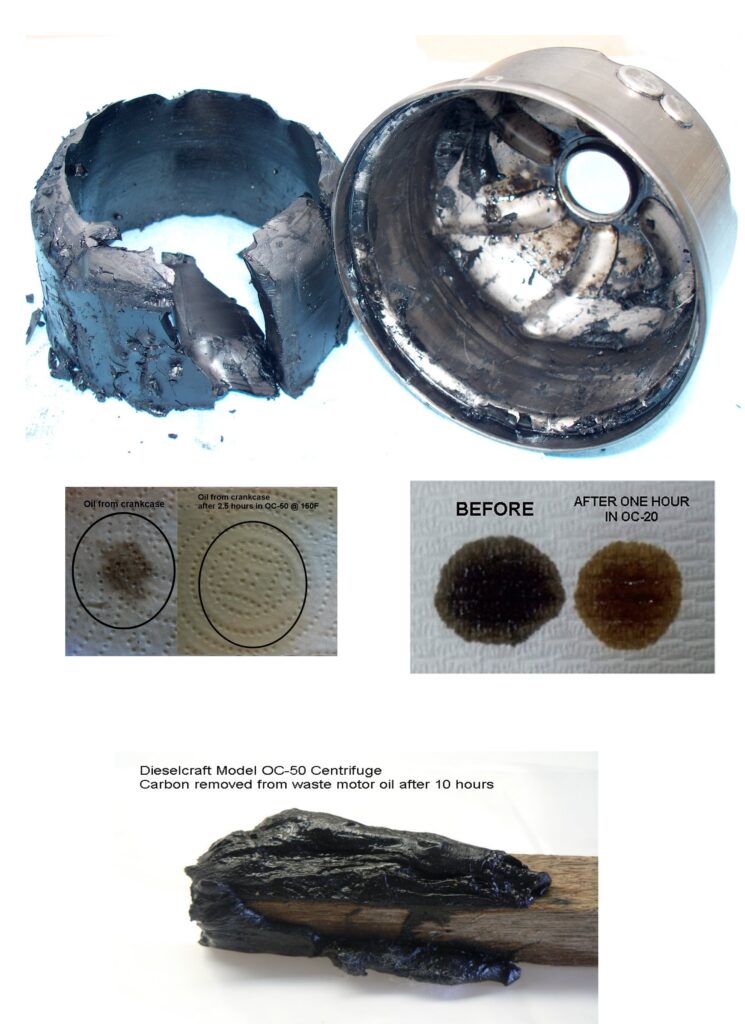
The result is cleaner oil, reduced wear, and longer service life for critical engine components.
Why a Dieselcraft Oil Centrifuge Outperforms Traditional Filters
Traditional paper filters typically capture contaminants 25 microns and larger.
A Dieselcraft centrifuge uses the engine’s own oil pressure to generate centrifugal force, removing soot, sludge, water, and contaminants smaller than 2 microns.
Instead of trapping contaminants in a disposable filter element, the centrifuge physically separates them from the oil.
The result is dramatically cleaner oil and superior engine protection.
12 Benefits of Installing a Dieselcraft Oil Centrifuge
1. Extend Oil Life
Removes contaminants more effectively, allowing oil drain intervals to be extended by up to 30% or more when supported by oil analysis.
2. Reduce Downtime
Fewer oil changes mean more operating hours and less equipment downtime.
3. Eliminate Disposable Filter Costs
Reduce or eliminate the recurring expense of disposable bypass filter elements.
4. No Flow Restriction
Unlike paper filters, a centrifuge cannot plug and restrict oil flow.
5. Better Engine Protection
Removes finer contaminants that contribute to engine wear.
6. Superior Filtration Efficiency
Captures soot and particles too small for conventional filters.
7. Environmentally Friendly
Reduces waste generated by disposable filters and used oil.
8. Lower Disposal Costs
Less waste means lower environmental and disposal expenses.
9. Reduce Overall Maintenance Costs
Cleaner oil helps reduce maintenance and repair costs throughout the engine’s life.
10. Protect Mission-Critical Equipment
Ideal for generators, marine engines, mining equipment, construction equipment, agricultural equipment, and fleet vehicles.
11. Simple Installation
Designed as a plug-and-play solution for easy integration into existing systems.
12. Consistent Performance
Provides continuous oil cleaning without the risk of filter plugging.
The Real Cost of Cheap Filtration
Using a $25 paper filter on a high-value engine may appear economical, but the long-term costs can be substantial.
Consider an engine with:
- Oil Change Cost: $3,000
- Oil Change Interval: 1,000 Hours
- Oil Changes Per Year: 4
Annual Oil Change Cost
4 Oil Changes × $3,000 = $12,000 Per Year
Now assume cleaner oil allows the oil drain interval to increase from 1,000 hours to 1,500 hours.
New Annual Oil Change Cost
2.6 Oil Changes × $3,000 = $7,800 Per Year
Annual Savings
$12,000 – $7,800 = $4,200 Saved Every Year
That’s savings from oil alone—not including reduced labor, less downtime, fewer repairs, and longer engine life.
Cleaner Oil. Lower Costs. Longer Engine Life.
Whether you operate marine engines, standby generators, mining equipment, agricultural machinery, construction equipment, or industrial power systems, a Dieselcraft oil centrifuge helps keep your oil cleaner, your equipment running longer, and your maintenance costs lower.
Protect your investment with proven centrifuge technology from Dieselcraft.
This version improves readability, breaks up large blocks of text, adds persuasive headings, and is optimized for both users and SEO.
For Cummins 6BT/6BTA, KTA and QSK plus CAT 3500
Contact us:
USA: sales@dieselcraft.com
West Coast: 530-613-2150
East Coast: 772-215-8087
Gulf Coast: 337-277-5417
Frequently Asked Questions (FAQ)
Marine Engine Oil Centrifuges for Work Boats
1. What is an engine oil centrifuge?
An engine oil centrifuge is a bypass filtration system that uses centrifugal force to remove soot, sludge, water, and microscopic contaminants from lubricating oil.
2. How does a centrifuge clean engine oil?
The centrifuge spins contaminants out of the oil using high G-forces. Heavy particles and water separate from the oil and collect inside the centrifuge bowl.
3. What contaminants can an oil centrifuge remove?
A centrifuge removes:
- Carbon soot
- Sludge
- Fine metal particles
- Water contamination
- Oxidation by-products
- Other solid contaminants
4. Does a centrifuge replace standard oil filters?
No. The centrifuge works alongside the existing full-flow oil filtration system to provide additional cleaning of fine contaminants.
5. Why is clean oil important for marine engines?
Clean oil reduces wear on bearings, turbochargers, camshafts, piston rings, and other critical engine components while improving overall reliability.
6. Can a centrifuge extend oil life?
Yes. By continuously removing contaminants, a centrifuge helps maintain oil quality longer. Oil analysis should always be used to determine safe oil change intervals.
7. Is an oil centrifuge suitable for commercial vessels?
Yes. Oil centrifuges are commonly installed on:
- Commercial fishing boats
- Tugboats
- Work boats
- Ferries
- Offshore support vessels
- Government vessels
- Marine generators
9. Will cleaner oil reduce maintenance costs?
Cleaner oil can help reduce engine wear, lower oil consumption, extend component life, and reduce maintenance expenses.
10. How often does the centrifuge require service?
Service intervals depend on engine condition, oil contamination levels, and operating hours. Most users periodically clean the centrifuge bowl during scheduled maintenance.
11. Can an oil centrifuge improve engine reliability?
Yes. Removing abrasive contaminants helps protect critical engine components and supports reliable operation.
12. Is installation difficult?
Most systems can be installed during routine maintenance with minimal to no modifications to the engine.
13. Can oil analysis verify centrifuge performance?
Absolutely. Oil analysis provides measurable data showing reductions in soot, wear metals, and contamination levels.
14. What industries commonly use oil centrifuges?
Oil centrifuges are used in:
- Marine transportation
- Commercial fishing
- Power generation
- Mining
- Agriculture
- Construction
- Industrial manufacturing
15. How do I select the correct oil centrifuge?
Selection depends on:
- Engine size
- Oil capacity
- Operating hours
- Application
- Available installation space
Dieselcraft can recommend the proper centrifuge configuration for your equipment.
Recent Comments