


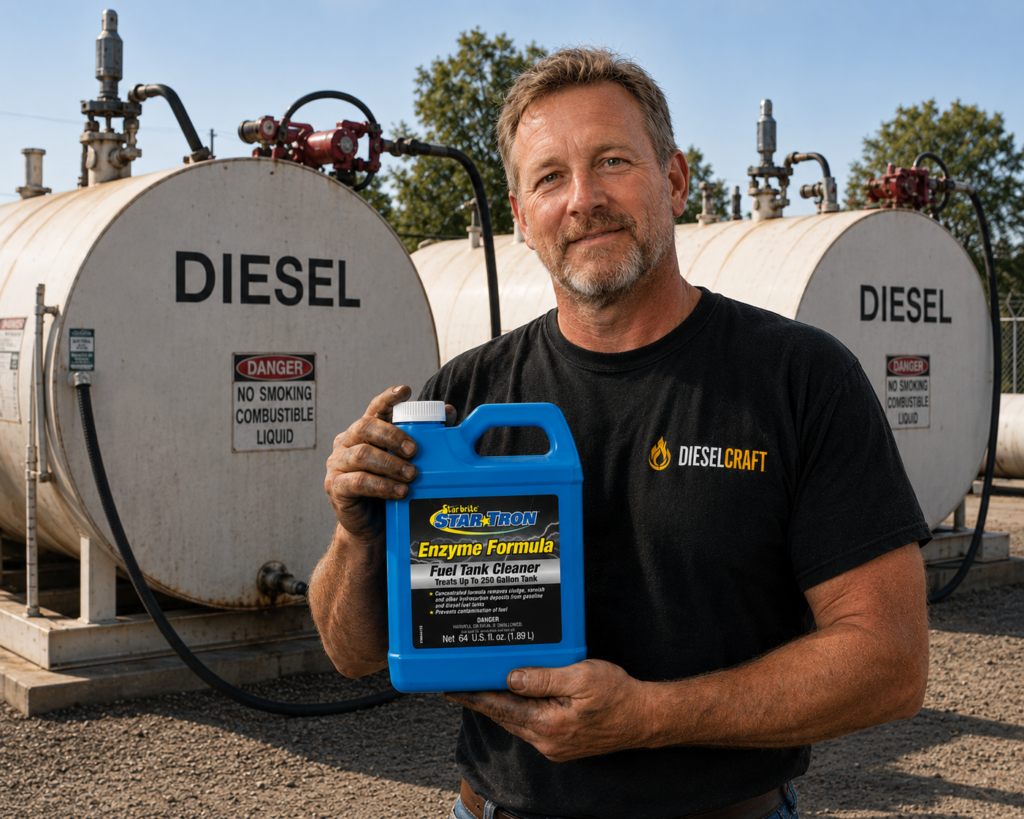
STAR BRITE Star Tron Tank Cleaner, 1 gallon Treats 500 gallons of fuel – Removes Sludge, Varnish & Other Deposits – Concentrated Formula Works In Gas Tanks & Diesel Tanks.
CUSTOMER REVIEW: 5.0 out of 5 stars How it works
I have been using Star-Tron fuel additives for years. The enzymes eliminates contaminants and water. As a farmer I have to store large containers of gas and diesel. I found that The Star-Tron Gas Tank & Fuel System Cleaner not only cleans the tanks but it, also, ( by itself ) is a great additive for gas and diesel. Cheaper than buying specific Star-Tron for gas or diesel. (just use the same dosage required). Star-Tron might not like my suggestion but it works for me.
This product cleans the tank and breaks up tank sludge so it can be burned off by the engine. The fuel will not pass ASTM standards for an annual report without “fuel polishing”.
Frequently Asked Questions About Fuel Tank Cleaning Additives
What does a fuel tank cleaning additive do?
A fuel tank cleaning additive helps loosen sludge, varnish, deposits, and contamination that accumulate inside diesel fuel tanks over time. It can help restore fuel quality and improve system cleanliness.
Can a fuel tank cleaning additive remove sludge?
Yes. Tank cleaning additives are specifically designed to break down sludge and deposits so they can be suspended in the fuel and removed through filtration, fuel polishing, or normal fuel consumption.
Will an additive remove water from diesel fuel?
No. Fuel additives do not physically remove water from diesel fuel. Some additives disperse water while others help separate it, but neither actually removes the water from the tank. Water must be physically removed through draining, water separators, or fuel polishing equipment.
Can additives eliminate diesel bug contamination?
Not by themselves. Diesel bug (microbial contamination) develops because water is present in the tank. While additives may help control contamination, the water must be removed and the fuel cleaned to solve the root problem.
Should I use a biocide before cleaning the tank?
Not usually. A biocide kills microbes, but it does not remove dead contamination, sludge, or water. Cleaning the fuel system first and removing water is generally the preferred approach before considering biocide treatment.
Can additives restore old diesel fuel?
A quality tank cleaning additive can help clean deposits and improve fuel condition. However, severely degraded fuel containing water, sludge, or microbial contamination may require fuel polishing and filtration.
What causes sludge in diesel fuel tanks?
Common causes include:
- Water contamination
- Microbial growth
- Oxidation
- Long-term fuel storage
- Fuel instability
- Dirt and sediment entering the tank
Over time these contaminants combine and form sludge deposits.
What are the signs that my tank needs cleaning?
Typical warning signs include:
- Plugged fuel filters
- Black or brown sludge
- Cloudy fuel
- Water contamination
- Reduced engine performance
- Frequent fuel system maintenance
These symptoms often indicate contamination inside the tank.
Can I use a fuel tank cleaning additive in generator fuel tanks?
Yes. Fuel tank cleaning additives are commonly used in:
- Emergency generators
- Hospital fuel systems
- Data centers
- Utility generators
- Municipal fuel storage tanks
These systems often store fuel for extended periods and can benefit from preventative tank cleaning.
Do additives work in marine fuel tanks?
Yes. Marine fuel tanks frequently experience condensation and water contamination. A tank cleaning additive can help clean deposits and maintain fuel quality, although severe contamination may require fuel polishing.
Is fuel polishing better than additives?
They perform different functions.
- Additives help loosen and suspend contamination.
- Fuel polishing physically removes water, sludge, sediment, and contaminants.
Heavy contamination generally requires polishing. Additives are often used as part of an overall maintenance program.
Can too much additive cause problems?
Yes. Using excessive additive concentrations can create fuel issues and may interfere with water separation systems. Always follow the manufacturer’s recommended treatment rate. More is not always better.
How often should I use a tank cleaning additive?
Frequency depends on fuel turnover and storage conditions. Long-term storage tanks, standby generators, seasonal equipment, and bulk fuel systems typically benefit from periodic treatment and routine fuel testing.
What is the best way to prevent sludge from returning?
The most effective fuel maintenance program includes:
- Regular fuel testing
- Water removal
- Tank cleaning additives when appropriate
- Fuel polishing when contamination is present
- Routine tank inspections
This approach helps maintain cleaner fuel and more reliable equipment operation.
What should I do if my fuel is already contaminated?
Start by testing the fuel. Determine whether water, sludge, microbial contamination, or fuel degradation is present. Once identified, you can decide whether additives, water removal, filtration, or fuel polishing are required.
Need Help Choosing the Right Solution?
Whether your problem is water contamination, sludge buildup, diesel bug, or old fuel, Dieselcraft can help identify the problem and recommend the proper corrective action before equipment downtime occurs.
Recent Comments