


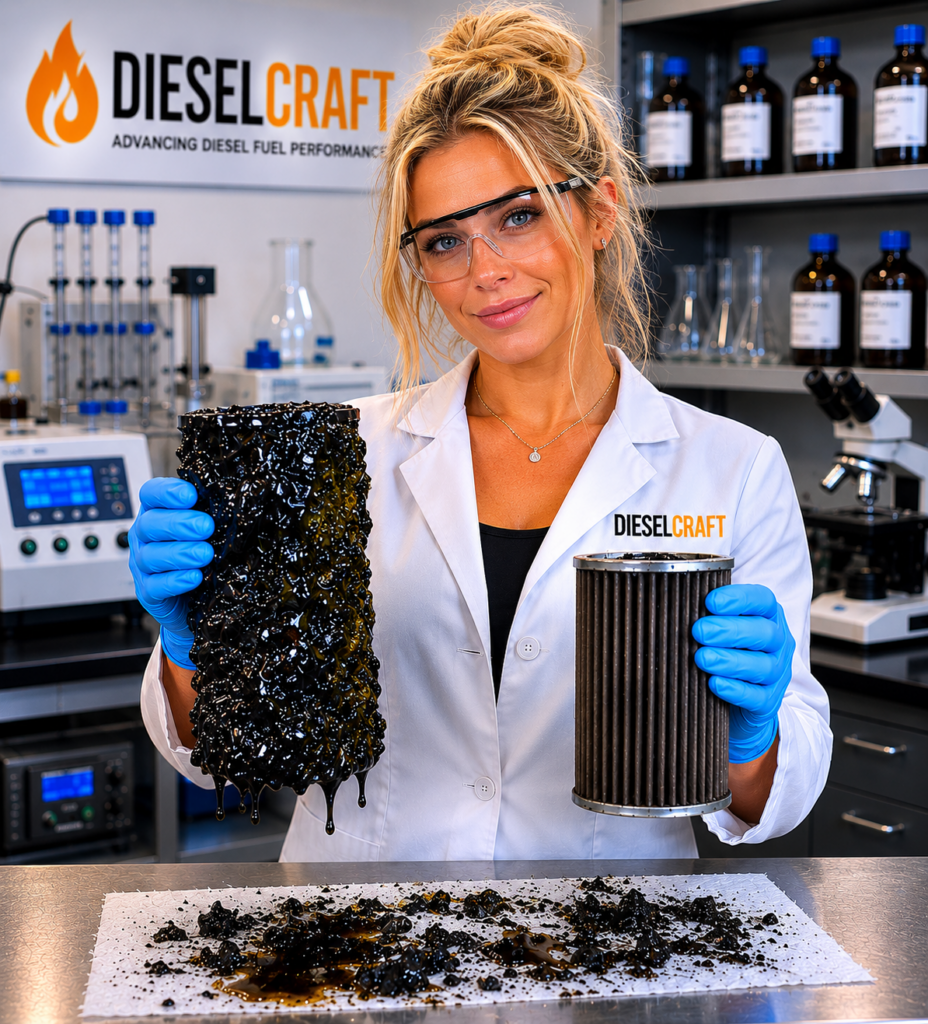
Is Bacteria Growing in Your Diesel Fuel Tank?
Bacteria in diesel fuel can silently destroy fuel quality, plug filters, corrode tanks, and cause expensive engine failures.
Often called diesel bug, microbial contamination develops when water accumulates inside a fuel tank. Bacteria and fungi grow at the fuel-water interface, producing sludge, acids, and debris that contaminate the fuel system.
If left untreated, microbial contamination can shut down generators, damage injectors, and cause costly downtime.
FREE SHIPPING
Signs of Bacteria in Diesel Fuel
Watch for these common warning signs:
- Black slime or sludge in fuel samples
- Frequent fuel filter plugging
- Cloudy fuel
- Water in the tank bottom
- Corrosion inside fuel tanks
- Hard starting engines
- Reduced engine performance
- Generator reliability problems
- Dark fuel color
- Slippery deposits in fuel filters
Many operators do not discover contamination until equipment begins experiencing fuel system problems.
What Causes Bacteria in Diesel Fuel?
Microbial growth requires two things:
Diesel Fuel
The fuel provides a food source.
Water
Water allows bacteria and fungi to survive and multiply.
Common sources of water include:
- Condensation
- Humid environments
- Fuel deliveries
- Leaking tank vents
- Damaged fill caps
- Long-term fuel storage
No water means no microbial growth.
Why Bacteria in Diesel Fuel Is Dangerous
As microbes reproduce, they create:
Sludge
Black and brown sludge can plug filters and restrict fuel flow.
Organic Acids
These acids accelerate corrosion inside tanks and fuel systems.
Sediment
Dead microbial material circulates throughout the fuel system.
Fuel Degradation
Contaminated fuel loses stability and reliability.
How to Test for Bacteria in Diesel Fuel
The first step is testing.
A diesel fuel microbial contamination test can quickly identify active bacterial growth before major damage occurs.
For best results:
- Take one sample from the bottom of the tank.
- Take a second sample from the middle of the tank.
- Test for microbial activity.
- Check for water contamination.
- Evaluate fuel clarity.
Avoid sampling from fuel filters because they collect contaminants and may not accurately represent tank conditions.
How to Remove Bacteria from Diesel Fuel
The correct solution involves more than simply adding chemicals.
Step 1: Remove Water
Water must be eliminated from the tank before contamination can be controlled.
Step 2: Remove Sludge and Debris
Fuel polishing removes:
- Dead microbes
- Sludge
- Sediment
- Rust
- Water contamination
Step 3: Retest
After treatment, retest the fuel to verify contamination levels have been reduced.
Step 4: Use Biocides When Necessary
Biocides kill active microbial growth but do not remove sludge, water, or debris. Dead contamination should still be filtered from the fuel system.
Why Fuel Polishing Works
Fuel polishing physically removes contamination from the tank.
Dieselcraft fuel polishing systems help eliminate:
✓ Free Water
✓ Bacterial Sludge
✓ Dead Microbial Material
✓ Rust
✓ Sediment
✓ Fuel Degradation Products
The result is cleaner fuel and improved equipment reliability.
Equipment Commonly Affected by Diesel Bug
Microbial contamination frequently impacts:
- Standby generators
- Hospital generators
- Data centers
- Construction equipment
- Farm equipment
- Marine vessels
- Fuel storage tanks
- Fleet vehicles
- Utility equipment
- Mining equipment
Any diesel fuel system that stores fuel for extended periods is at risk.
Can Bacteria in Diesel Fuel Be Fixed?
Yes.
In most cases, contaminated fuel can be restored through:
- Testing
- Water removal
- Fuel polishing
- Filtration
- Retesting
The sooner contamination is identified, the easier and less expensive it is to correct.
Need Help Testing for Bacteria in Diesel Fuel?
Dieselcraft provides fuel testing kits, microbial contamination testing, fuel polishing systems, and water removal solutions designed to restore fuel quality and prevent costly equipment failures.
Call Dieselcraft Today
530-613-2150
Protect your generators, equipment, and fuel investment before microbial contamination becomes a major problem.
Recent Comments