


Technically, algae cannot grow inside a diesel fuel tank because it requires sunlight to survive. However, other microbes—like mold, bacteria, and fungus—can thrive in diesel fuel under the right conditions, causing serious problems if left unchecked.
How Microbes Grow in Diesel Fuel
Microbes need water and nutrients to survive. A diesel tank with free water provides the perfect environment for microbial colonies. Over time, these colonies can:
- Plug fuel filters more quickly than usual
- Make fuel unusable
- Cause costly engine or equipment repairs
Signs You Might Have Microbes in Your Fuel
While you may not be able to see microbial growth directly, watch for these warning signs:
- Clogged fuel filters that need replacement more often than normal
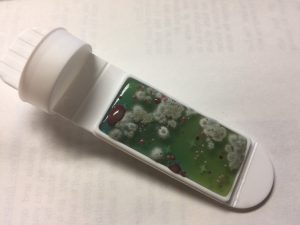
- Fuel tests indicating microbial presence or water contamination
Regular testing can alert you before problems escalate.
How to Safely Remove Microbial Contamination
If microbial sludge is present:
- Remove water from the tank first
- Clean the tank and break up the biomass
- Use biocides or additives carefully—do not overuse, as too much can cause more problems
Remember: additives alone will not solve the problem unless water is eliminated and sludge is dissolved.
Take Action Today
Protect your diesel fuel and equipment by addressing microbial contamination early. Start with proper tank cleaning and controlled additive use.
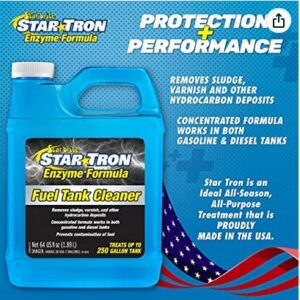
Recommended Product:
Buy it here
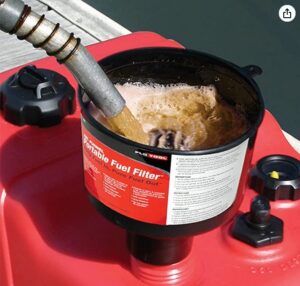
Have less than 100 gallons of fuel and need a quick and simple way to get the water and large solids out? Mr Funnel is the answer. Simply pour the fuel through the funnel and the water is separated from the fuel.
Recent Comments